Green Careers And Environmental Volunteering - Pathways To Sustainable Employment
Environmental volunteering is an important connection between personal career growth and global efforts to protect the environment. It gives people meaningful ways to join the growing green economy.
As governments set big environmental goals, the need for skilled workers in these fields is increasing quickly. For example, the UK government plans to create 2 million green jobs by 2030.
This combination of environmental needs and job opportunities has created a lively situation where volunteering helps both the planet and personal career development.
Understanding Green Careers And Environmental Volunteering
Green careers are jobs that help protect or restore the environment. They go beyond traditional roles like renewable energy engineers or conservationists. Green careers exist in every part of the economy, focusing on sustainability and reducing carbon emissions.
This expansive field also includes roles centered on environmental advocacy, where professionals work to influence policy and public opinion. Environmental volunteering is the base for many of these jobs, giving people hands-on experience, industry contacts, and a chance to show their commitment to environmental issues.
Environmental volunteering means giving your time for free to help with environmental protection and sustainability. This can include picking up litter from natural areas like beaches, forests, and parks, or helping reduce food waste. Environmental groups depend heavily on volunteers to do important tasks, making volunteering a key part of how these organizations work.
The Scope Of Environmental Volunteering Activities
Environmental volunteering includes a wide range of activities that support environmental conservation and sustainability. Volunteers can help protect ecosystems, habitats, and wildlife by working with local wildlife groups, or they can support local councils in promoting green policies. Other opportunities include advising on home energy efficiency, though this usually requires specific qualifications.
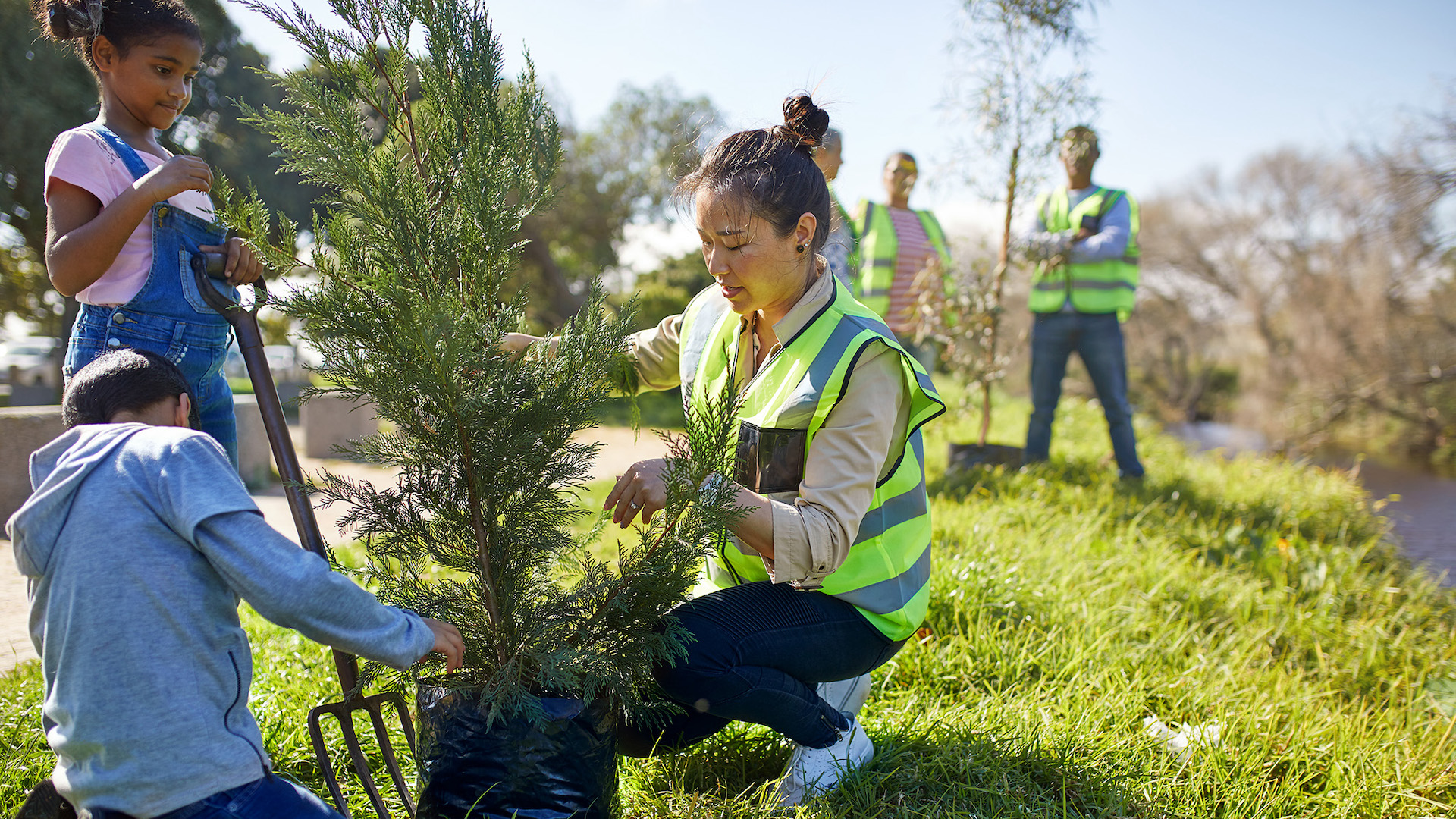
Many environmental volunteer tasks involve hands-on work like collecting data on endangered species, planting trees, learning sustainable farming methods, growing organic food, developing green urban spaces, and protecting rainforests. These activities give volunteers direct experience with conservation techniques and environmental management practices valued in green jobs.
Career Development Through Environmental Volunteering
Environmental volunteering is a strong tool for career growth, offering multiple ways to build skills and advance professionally. Volunteers gain valuable knowledge about different sectors while developing skills in areas they care about. They also show passion and commitment to future employers. Networking opportunitiesin volunteer work let individuals connect with industry professionals, gain experience in different work environments, build confidence, and plan their career paths.
Residential volunteering positions offered by conservation groups are especially important for careers in conservation. These provide real, hands-on experience with surveying techniques and practical conservation work. These intensive experiences allow volunteers to develop specialized skills while working closely with experienced professionals.
Flexible Approaches To Environmental Volunteering
Knowing that volunteering takes time and people have other responsibilities like work and family, many organizations offer flexible volunteering options. Charities often cover travel costs, and some organizations allow employees to take extra leave to volunteer. Additionally, many volunteer roles can now be done from home, making environmental volunteering more accessible to more people.
Read Also: Environmental Volunteer Opportunities
Specific Green Career Sectors And Opportunities
Renewable Energy Sector
The renewable energy sector employs 11 million people globally across various energy sources like solar, wind, geothermal, oil, coal, and gas. Solar energy engineering is a major area where professionals work on applications that harness solar power to generate electricity for homes and buildings or to heat water. Solar engineers work on solar panels, solar-powered devices, telecommunications systems, heating and air conditioning systems.
Electrical engineers in the green sector design, develop, and maintain electrical systems, often focusing on renewable energy projects or improving transport infrastructure to reduce carbon emissions. There's a particular focus on developing electric public transport and vehicles, which creates many future job opportunities in this in-demand role.
Conservation And Wildlife Management
Conservation careers include community-based jobs that help people participate in environmental solutions and countryside management positions focused on hands-on conservation work. Community-based conservation recognizes local people as important players in the conservation process, needing professionals who can work well in different cultural settings and languages to benefit both people and the environment.
Countryside management involves practical conservation work, including managing habitats for grassland, wetland, and woodland areas, and managing visitor access involving footpaths, signs, gates, and site safety. Typical conservation job titles include Assistant Warden, Assistant Ranger, Countryside Ranger, Park Ranger, Estate Worker, and Reserves Officer.
Environmental Project Management
Project managers in the environmental sector plan and oversee projects from start to finish, managing resources, budgets, and teams to achieve environmental goals. These professionals often work across different sectors, including construction, transport, planning, and development within local authorities. Environmental project management roles require strong organizational skills and a deep understanding of environmental regulations and sustainability practices.
Green Careers In Demand
Top 12 Most in demand Green Jobs !
The demand for "green careers" is rapidly growing across various sectors as the world shifts towards sustainability and addresses climate change. This includes roles directly focused on environmental protection and renewable energy, as well as positions in traditional industries that are now incorporating green practices.
Here's a list of in-demand green careers, categorized for clarity:
I. Renewable Energy And Clean Technology
- Solar Photovoltaic (PV) Installers:These professionals assemble, install, and maintain solar panel systems. The solar industry is a major driver of green job growth.
- Wind Turbine Technicians:Install, maintain, and repair wind turbines. This is a high-growth area as wind power expands globally.
- Renewable Energy Engineers (Solar, Wind, Geothermal, Hydroelectric, Hydrogen):Design, develop, and optimize systems to harness energy from renewable sources. These roles are critical for the transition away from fossil fuels.
- Battery Technology Specialists/Engineers:With the rise of electric vehicles and energy storage solutions, there's increasing demand for those who can design, develop, and manage battery systems.
- Energy Efficiency Specialists/Analysts:Focus on making energy use more efficient and economical in buildings, industries, and transportation, regardless of the energy source.
II. Environmental Science And Protection
- Environmental Scientists and Specialists:Conduct research, analyze environmental data, and develop policies and plans to prevent, control, or reduce the harmful effects of human activity on the environment. This includes roles like climate change analysts and environmental data analysts.
- Environmental Engineers:Use principles of engineering, biology, and chemistry to design solutions for environmental problems, such as waste management, air and water pollution control, and remediation of contaminated sites.
- Conservation Scientists:Work to protect and preserve natural resources and biodiversity, often managing forests, parks, and other natural areas.
- Environmental Protection Technicians:Use instrumentation and technology to monitor and control pollutants in the environment.
- Environmental Health and Safety (EHS) Officers/Specialists/Managers:Ensure organizations comply with environmental regulations and workplace safety standards, minimizing risks to employees and the environment.
III. Sustainability And ESG (Environmental, Social, And Governance)
- Chief Sustainability Officer (CSO):A top-level executive responsible for driving an organization's ESG strategy, sustainability initiatives, and regulatory compliance.
- Sustainability Consultants:Advise businesses, organizations, and institutions on how to reduce their environmental impact and comply with current legislation, helping them transition to more sustainable models.
- ESG Analysts:Evaluate companies' environmental, social, and governance performance, often for investors, financial institutions, and corporate sustainability departments.
- Corporate Social Responsibility (CSR) Managers:Develop and implement strategies for a company's social and environmental impact.
- Carbon Accounting Specialists/Carbon Managers:Experts in measuring, reporting, and reducing greenhouse gas (GHG) emissions, crucial for net-zero strategies and carbon credit markets.
- Circular Economy Consultants/Specialists:Help businesses move away from linear "take-make-dispose" models by designing sustainable product life cycles, optimizing resource use, and implementing waste reduction strategies.
- Sustainable Supply Chain Managers:Ensure that sourcing, production, and logistics align with ESG standards, reducing environmental impact and promoting ethical labor practices.
- Sustainable Finance Managers:Manage green investment portfolios, assess investment opportunities, and ensure compliance with ESG financial regulations.
IV. Green Building And Infrastructure
- Green Building Professionals (Architects, Construction Managers, Engineers):Focus on designing, constructing, and managing buildings that are environmentally responsible and resource-efficient.
- Urban Planners (with a sustainability focus):Develop plans for land use in rural and urban areas, incorporating environmental and social considerations to create sustainable communities.
- Civil Engineers (with a green focus):Design plans and infrastructure, often for renewable energy projects or with an emphasis on energy efficiency and sustainability.
V. Sustainable Agriculture And Food Systems
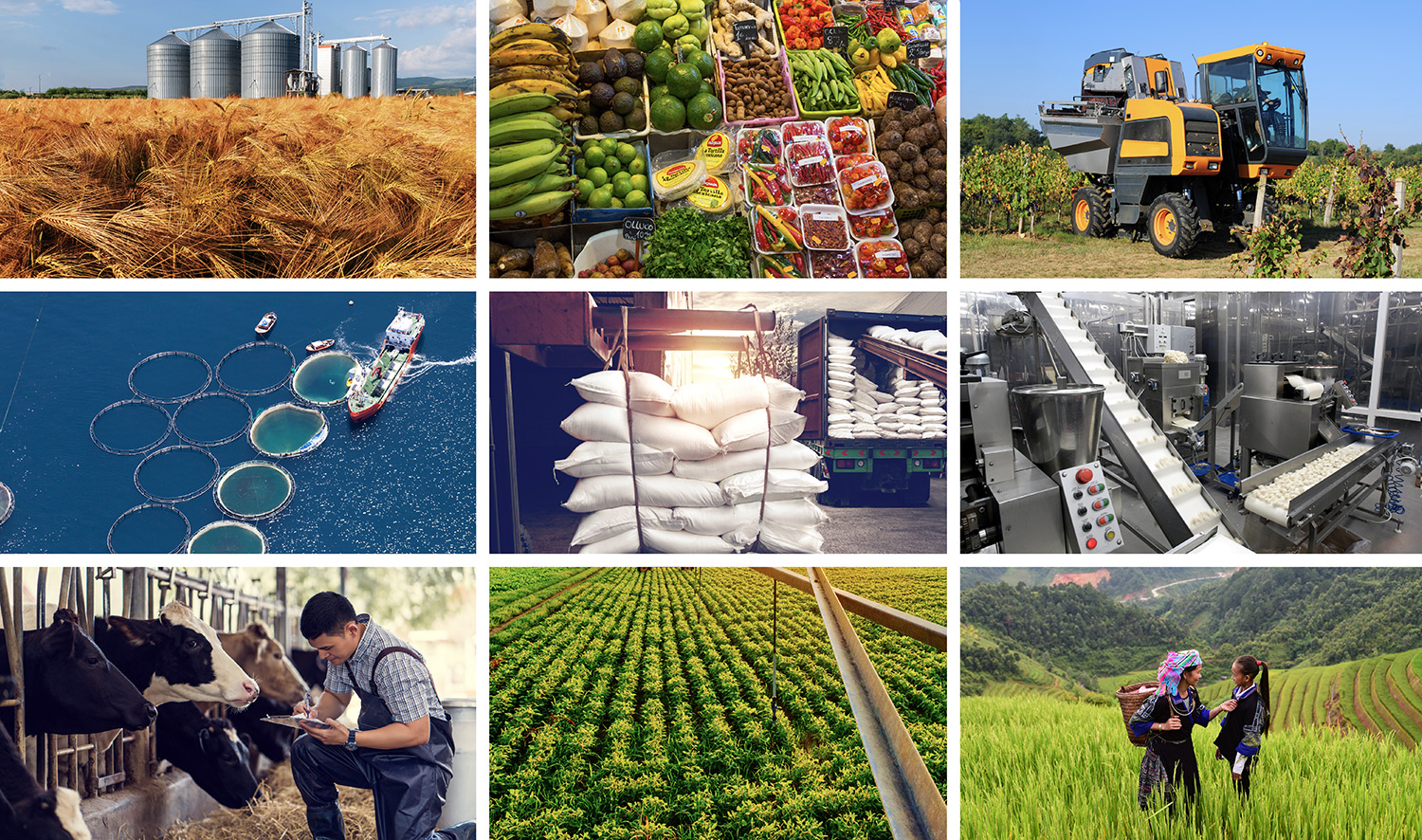
- Agricultural and Food Scientists:Play a role in improving the productivity and sustainability of farms and agricultural industries, often focusing on healthier and more sustainable food production.
- Agricultural Engineers:Address and solve problems pertaining to machinery, equipment, structures, and environmental systems in forestry, farming, and aquaculture to enhance sustainability.
Key Trends Driving Demand:
- Global commitment to sustainability:Growing awareness of climate change and environmental issues is pushing governments and businesses to adopt greener practices.
- Technological advancements:Innovation in renewable energy, energy efficiency, and sustainable materials creates new job roles.
- Government policies and regulations:Incentives, mandates, and stricter environmental laws are driving investment and job creation in green sectors.
- Consumer and investor demand:Customers and investors are increasingly prioritizing environmentally and socially responsible businesses.
Many of these roles require specialized skills, often with a bachelor's or master's degree in relevant fields like environmental science, engineering, sustainability, or business. However, there are also opportunities for skilled trades and technicians with vocational training or certifications.
Geographic Opportunities And International Programs
Environmental volunteering opportunities are available worldwide, with organizations like International Volunteer HQ offering 29 Environment and Conservation programs across 20 destinations. These international programs let volunteers support jungle and rainforest conservation, climate action, environmental education, sustainable cities, coastline conservation, organic farming, and tree planting projects in communities abroad.
Volunteers work with local conservationists without needing previous experience, making these programs suitable for active volunteers who love nature and being outdoors while helping tackle climate change, pollution, and protecting endangered ecosystems. The affordable nature of these programs and their year-round availability make them accessible to volunteers ready for challenges and willing to get their hands dirty.
Current UK Environmental Volunteering Opportunities

The UK environmental volunteering scene offers diverse opportunities across various organizations and locations. Recent postings include positions with groups like Plantlife, Sandwich Bay Bird Observatory Trust, TCV Leeds, BirdLife Malta, Yorkshire Wildlife Trust, Durrell Wildlife Conservation Trust, RSPB, WWF, Trees for Cities, and Operation Wallacea. These opportunities range from home-based roles involving image library management and research to residential positions involving habitat restoration, wildlife surveys, and practical management work.
Many organizations offer European Solidarity Corps positions, providing full-time volunteer opportunities for international participants to join conservation teams protecting birds and habitats while educating people about nature. These positions often include accommodation and living allowances, making them viable options for those seeking intensive environmental experience.
How to Join a Volunteer Group
Step 1: Research and Select an Organization
Begin by looking for organizations that match your interests. Create a list of potential groups and learn about their mission, activities, and volunteer opportunities. Narrow your list to a few organizations that seem like a good fit for you.
Step 2: Contact the Organization
Get in touch with the organization to express your interest in volunteering. You can usually do this through their website, email, or phone. Inquire about their volunteer needs, application process, and any requirements they might have. Introduce yourself and share why you’re interested in volunteering with them.
Step 3: Attend an Orientation or Meeting
Many volunteer groups ask new volunteers to attend an orientation or informational meeting. This is an excellent chance to learn more about the organization and meet other volunteers. It also allows you to ask questions and get a sense of the organization’s culture.
Step 4: Complete the Application Process
Some organizations may require you to fill out an application form, provide references, or complete a background check. Be sure to finish all necessary steps. Provide thorough and honest information in your application to clearly showcase your skills and motivations.
Step 5: Start Volunteering
Once you’ve completed the application process, you can begin volunteering. Follow any guidelines or instructions provided by the organization and stay in regular contact with your volunteer coordinator. Arrive on time, take initiative, and fully engage in your volunteer responsibilities.
Skills Development And Professional Benefits
Environmental volunteering offers skill development in many areas important for green careers. Technical skills gained through hands-on conservation work include identifying species, managing habitats, collecting and analyzing data, and monitoring the environment. These technical skills are directly useful in professional environmental jobs and show practical knowledge to potential employers.
Communication and education skills develop through environmental education programs, community outreach, and public engagement initiatives. Volunteers learn to explain complex environmental ideas to different audiences, create educational materials, and lead learning experiences for various age groups and backgrounds. These skills are valuable for roles in environmental education, community conservation, and public policy advocacy.
Leadership and project management abilities grow through coordinating volunteer activities, managing conservation projects, and working with diverse teams of volunteers and professionals. Administrative and organizational skills develop through supporting conservation organizations' operations, keeping records, and coordinating logistics for field activities and educational programs.
Long-term Career Advancement
Environmental volunteering creates paths for long-term career growth through experience, professional networks, and skill development. Many environmental professionals start as volunteers before moving into paid positions within the same organizations or using their volunteer experience to get jobs elsewhere. The combination of hands-on experience, industry knowledge, and professional connections gained through volunteering greatly improves career prospects in the competitive green job market.
Volunteers who show exceptional dedication and skill often receive recommendations and references from established professionals, helping them transition into permanent employment. Additionally, the deep understanding of environmental issues and practical conservation challenges gained through volunteering leads to better performance in professional roles and faster career progression.
You Might Like - How To Successfully Switch Career Paths Without Experience
Frequently Asked Question
Do I need any special skills to volunteer?
Not all volunteer opportunities require special skills. Many organizations offer training to help new volunteers get started. However, some roles may call for specific expertise. It’s a good idea to carefully read the volunteer descriptions to understand what is expected.
How much time do I need to commit to volunteering?
The time commitment for volunteering can vary greatly depending on the organization and the role. Some opportunities might involve a regular weekly commitment, while others may offer more flexibility. Talk to the organization about your availability to find a role that matches your schedule.
What Are The Benefits Of Helping The Environment?
Helping the environment provides us with clean air, water, food, materials, and spaces for recreation. Spending time in nature also benefits our mental health. If we fail to care for the planet, its climate, and ecosystems, we risk disrupting how our societies function, worsening our quality of life, and directly harming our well-being.
Conclusion
Environmental volunteering is a key way to enter the growing green economy, offering people chances to contribute to environmental conservation while building essential skills and professional networks for green careers.
The wide range of volunteering opportunities, from local habitat management to international conservation projects, provides flexible options for people at different career stages and with different time commitments.
As the demand for green jobs grows globally, environmental volunteering serves both as a valuable service to environmental causes and as a strategic career development tool for those wanting to enter or advance in sustainable industries.